Hydrocarbon separator

Home » Water Treatment » Hydrocarbon separator

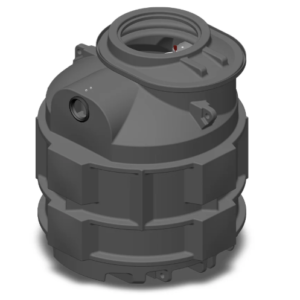
At Inza, we develop effective and sustainable solutions for wastewater and stormwater treatment. One of our key products is the hydrocarbon separator, an essential system for facilities where oils, fuels, or petroleum derivatives are handled.

Manufactured from high-strength materials and adapted to various flow requirements, our separators offer excellent performance and comply with all current environmental regulations.

We guarantee permanent stock and deliveries within 24-48 hours.

EXPERIENCE

We offer advice before, during and after your purchase for total satisfaction.

DESIGN

We can design and manufacture the solution you need. Tell us about your project!

Deliveries in 24-72h

Shipping throughout Europe. 24-72h delivery to mainland Spain and Portugal (Monday to Friday working days).

BUY WITH CONFIDENCE

100% secure payments. You can pay by credit card or by bank transfer with complete peace of mind.
How does a hydrocarbon separator work?

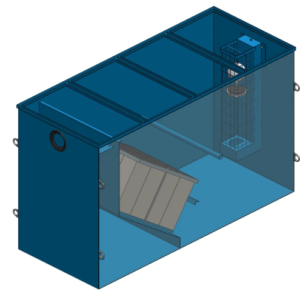
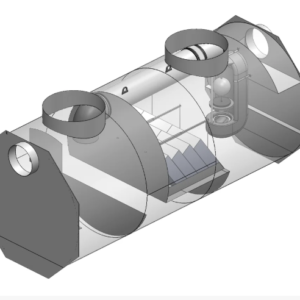
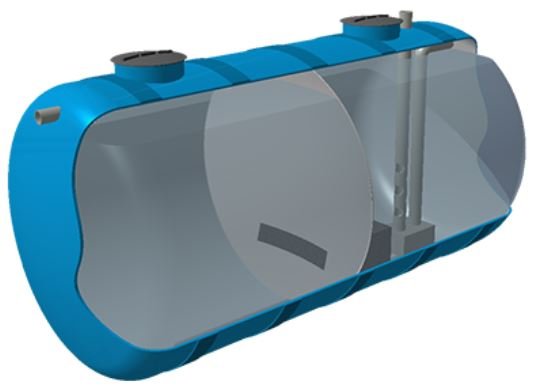
Separators operate through a combination of sedimentation, decantation, and flotation. The process is divided into phases:

  1. Inlet of contaminated water
  2. Retention of sand and coarse solids (if a grit chamber is present)
  3. Separation of hydrocarbons by density difference
  4. Outlet of treated water to the sewage system or authorised discharge point

In some models, the water passes through a coalescing filter which improves separation efficiency, especially useful when superior performance is required.

Advantages of the Inza hydrocarbon separator

When you choose an Inza hydrocarbon separator, you are not just acquiring a high-quality technical product, but a comprehensive solution that combines hydraulic efficiency, sustainability, and operational safety. Below, we detail its main advantages:

1. Robust and adaptable design

  • Manufactured from GRP (glass-reinforced polyester), polyethylene (PE), or reinforced concrete, depending on the environment and load requirements
  • Resistant to aggressive chemicals, corrosion, humidity, and thermal changes
  • Units designed to withstand everything from pedestrian loads to heavy traffic loads

2. High separation efficiency

  • They incorporate high-efficiency coalescing filters that enable compliance with legally required discharge limits (less than 5 mg/L of hydrocarbons)
  • Effective separation thanks to the internal design and optimised retention time

3. Versatility in configurations

  • Models with or without an integrated silt trap, depending on the project’s hydraulic conditions
  • Possibility of including a bypass, which allows excess water to flow into the sewerage system without passing through the separator during intense rainfall events

4. Easy maintenance and control

  • Compatible with level probes, fill alarms, and remote control systems
  • Guaranteed accessibility for periodic cleaning and removal of sludge and oils
  • Low maintenance thanks to non-porous materials and optimised geometry

5. Regulatory compliance and technical guarantee

  • All our separators comply with UNE EN 858-1 and 858-2 standards
  • Manufactured under strict quality controls with CE certification

6. Commitment to the environment

  • They contribute to the protection of aquifers, rivers, and seas, preventing hazardous substances from contaminating the natural environment
  • Sustainable solutions aligned with the circular economy and our clients’ CSR policies

Why choose Inza hydrocarbon separators?

  • Years of experience in drainage and water treatment systems
  • Technical support and specialised advice throughout all project phases
  • Personalised service for industrial clients, engineering firms, construction companies, and public bodies
  • Commitment to sustainability and legal compliance

At Inza, we don’t just manufacture equipment. We create tailored solutions that ensure hydraulic efficiency, durability, and respect for the environment. Enquire about the price of our hydrocarbon separators!

Further queries regarding our hydrocarbon separators

A hydrocarbon separator is a device that allows to retain and separate light contaminant liquids (mineral oils, diesel, petrol or petroleum derivatives) from water. Its use is common in car washes, mechanical workshops, petrol stations, car parks, industrial areas or any area where vehicles are regularly parked or driven.

In addition to being a legal requirement in many installations, these systems are key to protecting the environment, preventing contaminated water from reaching rivers, seas, or drainage networks.

The operating principle is simple yet effective: contaminated water enters the separator and, due to the difference in density, hydrocarbons float to the top, while clean water flows underneath. Furthermore, many of our models incorporate a pre-sanding system to retain solids and ensure greater treatment efficiency.

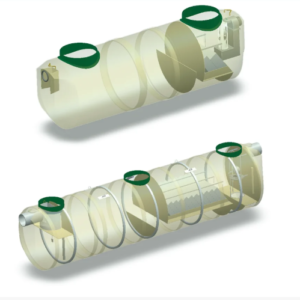
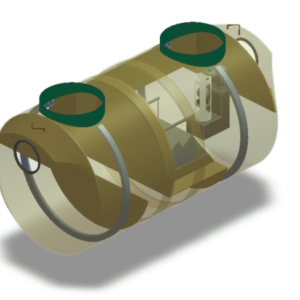
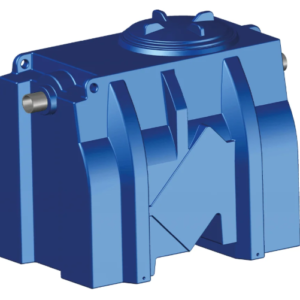
At Inza, we manufacture separators with different bodies —made of glass fibre reinforced polyester (GFRP), polyethylene (PE) or concrete— adapted to each type of installation, including those with high groundwater levels or that must withstand heavy loads without additional structures.

We can also add other additional elements such as the safety bypass, so that flow peaks do not saturate the system, and level sensors that allow for easy maintenance management.

Spanish legislation —specifically RD 60/2011 and Law 26/2007 on Environmental Responsibility— establishes that it is mandatory to install hydrocarbon separators in:

  • Mechanical workshops
  • Car washes
  • Petrol stations and service areas
  • Car parks with high vehicle turnover
  • Industrial areas where hydrocarbons are handled

Furthermore, the systems must comply with standards UNE EN 858-1 (design, characteristics, and quality control) and UNE EN 858-2 (selection, installation, and maintenance).

Standard UNE EN 858-1 covers “separator systems for light liquids, such as oil or petroleum: product design principles, characteristics and testing, marking, and quality control”.  

Standard UNE EN 858-2 elaborates on “separator systems for light liquids: selection of nominal size, installation, operation, and maintenance”.

The price of a hydrocarbon separator depends on several factors: the body material, the treatment flow rate (litres per second), whether it includes a bypass, a sand trap, or control elements. As a guideline:

  • 0.5 L/s Separator: from €620, ideal for small workshops.
  • 5 to 10 L/s Separator: between €1,200 and €3,000, suitable for medium-sized installations.
  • 20 L/s or more Separator: from €5,000, designed for service stations or industries.

Not sure which one you need? If you’re wondering where to buy hydrocarbon separators, at Inza, we offer free, no-obligation advice to help you choose the right model.

The installation of a hydrocarbon separator must be carried out precisely and professionally, as incorrect assembly can compromise the system’s efficiency, generate environmental risks, and even lead to legal penalties.

Key steps for correct installation:

  1. Site preliminary study
    We analyse the location, the water flow to be treated, the type of surface, the presence of solids or sand, and the water table level. This study allows us to select the appropriate model, whether with a bypass, grit chamber, concrete body, GRP or PE.

  2. Excavation and ground preparation
    Excavation is carried out according to the separator’s dimensions and technical specifications. In areas with high groundwater, we recommend using concrete separators, which are heavier and prevent flotation.

  3. Equipment placement and levelling
    The separator must be installed on a firm and level base, using a bed of sand, gravel or a concrete slab, depending on the model. It is essential to ensure that the inlet and outlet connections are perfectly aligned.

  4. Connection to hydraulic networks
    The inlet (contaminated water) and outlet (treated water) pipes are connected, and, if applicable, it is connected to the pre-treatment system or an independent grit chamber.

  5. Installation of additional elements
    At this step, accessory elements such as control alarms with probes, which detect the maximum volume of hydrocarbons, are incorporated.

  6. Watertightness tests and commissioning
    Before use, hydraulic and watertightness tests are carried out to verify that there are no leaks.

Additional considerations:

  • In industrial installations or those with a high risk of discharge, it may be mandatory to include a secondary containment system.
  • It is essential that the installation complies with standard UNE EN 858-2, which regulates the placement, maintenance, and operation of these systems.
  • Inza provides technical datasheets to ensure the system operates optimally from day one.

Need help? Complete our contact form.

Seleccionar