Bar screens and fine screens
Bar screens and fine screens form the first stage —the pretreatment— of any wastewater treatment plant. Their job is to retain the solids arriving with the water so they do not damage or clog the downstream equipment (pumps, treatment plants, oil separators or ponds).
They work on two complementary levels: bar screens retain the coarse solids (rags, plastics, branches) with bar spacings from 10 to 25 mm, while fine screens separate the fine solids (2 to 5 mm openings) and drain and compact them before discharge. At INZA we manufacture both in glass-reinforced polyester (GRP) and AISI 304 stainless steel, in manual or automatic versions and for different flow rates.
Choose the model you need below. If you have any questions about which unit suits your flow rate or installation, contact us and we will advise you with no obligation.
Showing all 4 results
-
Automatic stainless steel bar screens
€5.100,00 – €6.600,00Price range: €5.100,00 through €6.600,00 taxes not included Select options This product has multiple variants. The options may be chosen on the product page -
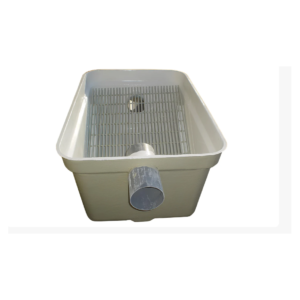
Manual polyester bar screens
€960,00 – €1.250,00Price range: €960,00 through €1.250,00 taxes not included Select options This product has multiple variants. The options may be chosen on the product page -
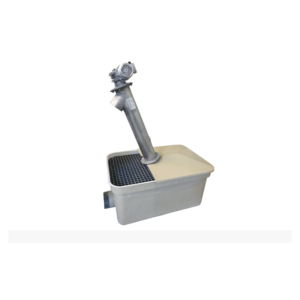
Screw mini-screens in prefabricated chamber
€6.000,00 – €6.500,00Price range: €6.000,00 through €6.500,00 taxes not included Select options This product has multiple variants. The options may be chosen on the product page -
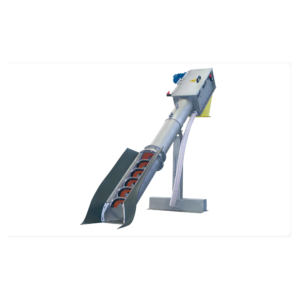
Screw screens
€7.600,00 – €10.000,00Price range: €7.600,00 through €10.000,00 taxes not included Select options This product has multiple variants. The options may be chosen on the product page

Asesoramos antes, durante y después de realizar la compra para una satisfacción total.

Podemos diseñar y fabricar la solución que necesites. ¡Cuéntanos tu proyecto!

Envíos a toda Europa. Entrega en 24-72h en Península (Laborables de Lunes a Viernes).

Pagos 100% seguros. Puedes pagar con tarjeta de crédito o con transferencia con total garantía.
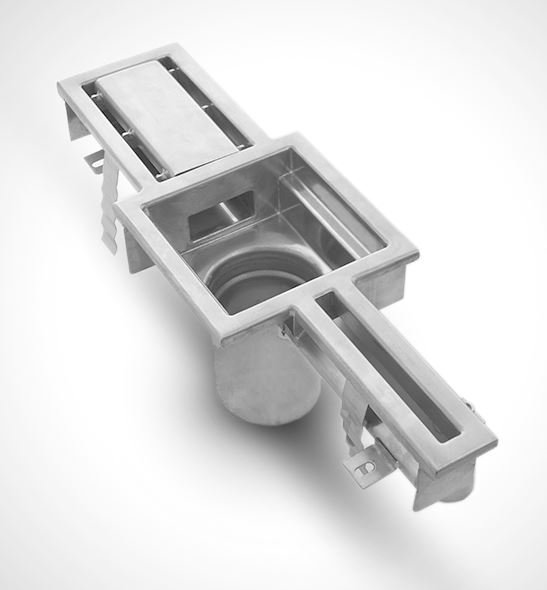
Answers to your questions about bar screens and fine screens
What are bar screens and fine screens for?
They are the first stage of wastewater treatment (the pretreatment). They retain the solids carried by the water so they do not reach pumps, treatment plants or separators, preventing blockages, breakdowns and extra maintenance costs.
What is the difference between a bar screen and a fine screen?
The bar screen retains coarse solids (bar spacing of 10 to 25 mm): rags, plastics, branches. The fine screen separates the fine solids (2 to 5 mm opening) and, by means of a screw, drains and compacts them before discharge. In many plants they are combined: first the bar screen, then the fine screen.
What is the difference between a manual and an automatic bar screen?
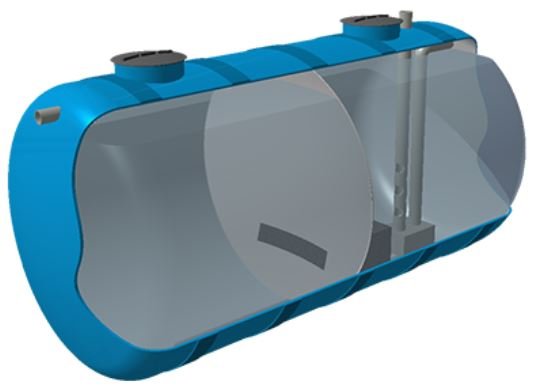
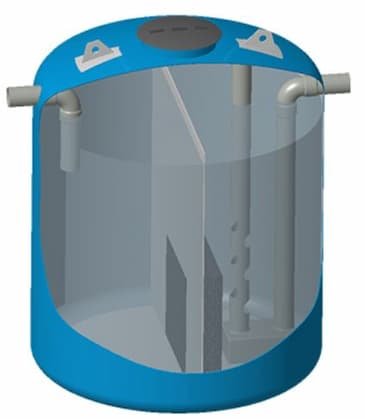
The manual bar screen sits in a polyester (GRP) chamber, 25 mm spacing, and the operator removes the solids periodically; ideal for small or medium flows. The automatic bar screen is made of stainless steel with automatic cleaning (10 mm spacing) and is installed in a channel; suitable for larger flows and for unattended operation.
What bar spacing or mesh opening do I need?
It depends on the degree of retention you want. For coarse screening: 25 mm (manual bar screen) or 10 mm (automatic bar screen). For fine screening: 2 or 5 mm in the chamber mini-screen and 3 mm in the screw screen. If you are unsure, tell us the equipment it protects and the flow rate and we will advise you.
When do I need a fine screen in addition to the bar screen?
When the downstream process requires water that is cleaner of fines: membranes, drip irrigation, reuse, industrial processes or discharges with strict suspended-solids limits. The fine screen greatly reduces the solids load and the residue volume, dewatering it.
Which size or model of bar screen should I choose?
Manual bar screens come with a 300, 500 or 1,000 L chamber and connections from DN110 to DN315, depending on the flow and the inlet pipe. Automatic ones are sized by population equivalent. In each product sheet you will find the table with all the models.
What flow rate do the fine screens handle?
The chamber screw mini-screen (TZM) is compact, for small flows. The screw screen (TZ) covers from 20 to 100 m³/h depending on the model (TZ3000/TZ4000/TZ5000). Tell us your peak flow and we will recommend the right unit.
Where are they installed?
Manual bar screens and mini-screens are installed in a prefabricated chamber, buried or above ground, at the treatment inlet. Automatic bar screens and screw screens are installed in a channel or in the treatment plant pretreatment line.
What maintenance do they require?
The manual bar screen only needs the retained solids removed and periodic cleaning. The automatic bar screens and the screens, being self-cleaning, require minimal maintenance: checking the gearmotor, the washing system and the residue discharge. All are made of corrosion-resistant materials (GRP / AISI 304).
How do I request a quote or more information?
Choose the model on this page and add it to the cart, or contact us by phone, WhatsApp (+34 91 127 90 05) or email (info@inzainox.com). We will advise you on the most suitable unit for your installation and flow rate.
Cómo funciona una reja de desbaste
La reja de desbaste se instala a la entrada del tratamiento y separa los sólidos gruesos del agua residual:
- Entrada del agua: el agua residual llega a la arqueta o al canal donde se sitúa la reja.
- Retención de sólidos: los sólidos de tamaño superior a la luz de paso (25 mm en las manuales, 10 mm en las automáticas) quedan retenidos por la reja.
- Limpieza: en las rejas manuales se extrae periódicamente la cesta o el bastidor por la boca de registro; en las automáticas, un sistema motorizado arrastra y evacúa los sólidos de forma continua.
- Salida del agua desbastada hacia la depuradora, el separador o el pozo de bombeo, ya libre de sólidos gruesos.
Ventajas de las rejas de desbaste
Instalar una reja de desbaste al inicio del tratamiento aporta:
- Protección de los equipos: evita atascos y averías en bombas, válvulas y procesos posteriores.
- Mejor rendimiento del tratamiento: el agua llega desbastada a la depuradora o el separador.
- Manual o automática: reja manual en arqueta de PRFV (sencilla y económica) o reja automática de acero inoxidable con limpieza automática y menor mantenimiento.
- Materiales resistentes: poliéster (PRFV) o acero inoxidable AISI 304, para una larga vida útil.
- Gama por tamaño: desde arquetas de 300 L hasta rejas automáticas para más de 1.000 habitantes equivalentes.
- Asesoramiento técnico para elegir la reja adecuada a tu caudal e instalación.
¿Por qué elegir las rejas de desbaste de Inza?
Elegir las rejas de desbaste de Inza es asegurar un pretratamiento fiable con equipos duraderos y bien dimensionados. Fabricamos rejas manuales en poliéster (PRFV) y rejas automáticas en acero inoxidable, y te asesoramos para elegir el tipo, la luz de paso y el tamaño según tu caudal y tu instalación.
Aviso importante: el dimensionado de la reja (caudal, luz de paso, tipo de limpieza) debe ajustarse a cada instalación. La información de esta página es orientativa; consúltanos tu caso y te recomendamos el equipo adecuado.
Otros productos que te pueden interesar
¿Necesitas ayuda? Completa nuestro formulario de contacto